Protecting Pharmaceuticals: The Crucial Role of Desiccants in Healthcare
In the sensitive world of pharmaceuticals and healthcare products, maintaining stability and efficacy is paramount. Moisture, often an unseen enemy, can degrade medications, compromise medical devices, and shorten shelf life. This is where desiccants, particularly silica gel, become indispensable. But with various options available, how do you ensure you're selecting the right type of desiccant for your healthcare application?
Understanding the Threat: Why Moisture Matters in Pharma
Pharmaceutical products are highly susceptible to moisture-induced degradation. Excessive humidity can lead to:
- Chemical Instability: Accelerating hydrolysis, oxidation, and other reactions that break down active pharmaceutical ingredients (APIs).
- Physical Changes: Causing caking, clumping, discoloration, and altered dissolution rates in tablets and powders.
- Microbial Growth: Creating an environment conducive to mold and bacterial contamination.
- Reduced Efficacy: Ultimately leading to products that are less effective or even unsafe for patients.
Medical devices, diagnostic kits, and even sterile packaging also require strict moisture control to maintain their integrity and functionality.
Silica Gel: A Champion Desiccant for Healthcare
Among the various desiccant options, silica gel stands out as a widely trusted and highly effective choice for the healthcare industry. Its porous structure allows it to adsorb a significant amount of moisture, keeping the surrounding environment dry.
Here’s why silica gel is often the preferred desiccant:
- High Adsorption Capacity: It can absorb up to 40% of its own weight in water vapor.
- Chemically Stable & Non-Reactive: It won't react with pharmaceuticals or medical devices.
- Non-Toxic & Safe: Food-grade silica gel is safe for use in packaging with consumables.
- Versatile Forms: Available in various sizes and packaging (packets, canisters, bulk) to suit different needs.
- Cost-Effective: Offers excellent performance at a reasonable cost.
Beyond Standard Silica Gel: Specialized Healthcare Desiccants
While standard silica gel is powerful, the healthcare industry often demands specialized solutions. Here are a few considerations:
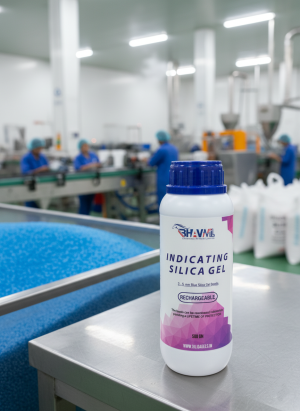
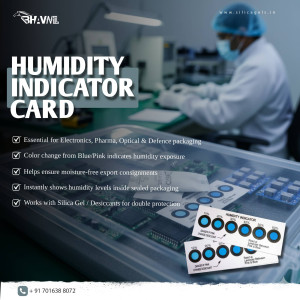
- Indicating Silica Gel: Often impregnated with a moisture indicator (e.g., cobalt chloride-free orange to green), this type changes color when saturated, providing a visual cue for replacement or regeneration. This is particularly useful for products requiring ongoing monitoring.
- Molecular Sieves: For extremely low humidity requirements or when very specific moisture adsorption is needed (e.g., to adsorb solvents along with water vapor), molecular sieves offer superior performance.
- Clay Desiccants (Bentonite/Montmorillonite): While more cost-effective for some industrial uses, their adsorption capacity is generally lower than silica gel and they are less common in direct pharmaceutical packaging.
Key Considerations for Selecting Your Desiccant
To ensure you choose the right desiccant, consider these critical factors:
- Product Sensitivity: How sensitive is your product to moisture? This will dictate the required level of dryness.
- Packaging Environment: What type of packaging are you using (bottles, blister packs, pouches)? The desiccant format must fit.
- Required Shelf Life: The desiccant needs to maintain dryness for the entire intended shelf life of the product.
- Temperature & Humidity Conditions: Consider the storage and transit conditions your product will experience.
- Regulatory Compliance: Ensure the desiccant meets relevant pharmacopoeia standards (USP, EP, JP) and FDA guidelines for direct contact with pharmaceuticals, if applicable.
- Desiccant Quantity: Calculating the correct amount of desiccant is crucial. Too little, and it won't be effective; too much, and it's an unnecessary cost. Factors like package volume, permeability, and product moisture content play a role.
- Dispensing Method: Canisters and drop-in packets offer easy integration into automated packaging lines.
The Importance of a Desiccant Strategy
Selecting a desiccant isn't a one-time decision; it's part of a broader moisture control strategy. This includes:
- Vapor Barrier Packaging: Using materials that resist moisture ingress.
- Controlled Manufacturing Environments: Maintaining low humidity during production.
- Quality Control & Testing: Regularly verifying the effectiveness of your desiccant solution.
By carefully evaluating your product's needs and the environmental challenges, you can make an informed decision that safeguards your healthcare products and ultimately, patient well-being. Partnering with experienced desiccant suppliers can also provide valuable expertise in this critical area.