Activated carbon, also known as charcoal, is widely used as an adsorbent in the pharmaceutical industry to eliminate toxins, odours, and noxious gases from packaged goods. This is due to its amorphous, highly porous composition, which allows for a wide surface area for gas and reactive organic molecule adsorption.
Manufacturers and distributors use activated charcoal for their packaging because it is particularly useful in conjunction with other ingredients, such as desiccants, for moisture and odour regulation.
Coconut shells, peat, ash, coal, and fruit stones are only a few of the ingredients that can be used to make activated carbon. During activation, however, both of these materials contain differing degrees of pore size and distribution. Coconut shell contains a very pure and effective source of activated carbon that appears to be denser with a larger number of micro-pores, according to ChemBro Packaging. Furthermore, ChemBro Packaging has been able to produce non-dusting pouches by incorporating coconut shell into the manufacturing process. Because of our focus on consistency, we're able to have a superior product that protects formulators and suppliers from consumer concerns related to dusting problems. Furthermore, coconut shells are a very renewable and natural option.
The raw material is thermally decomposed in the first phase of the production process, resulting in a carbonaceous mass with many tiny pores. This base material is ‘activated' in the second stage by being steam-heated to temperatures of up to 1,100 degrees Celsius.
ChemBro's activated carbon has a lattice structure with a network of micro-pores, making for a large adsorption surface region. Physical adsorption draws toxic gases and odours to this structure, where they retain until equilibrium is achieved between adsorbed molecules and those that are either freely dispersed and holding moisture or steam. Chemisorption happens as new chemical bonds form between the adsorbates and the activated carbon surface.
These examples of how activated carbon has been used to overcome real-life pharmaceutical packaging problems illustrate the outstanding properties of activated carbon in tackling odour issues:
Metformin – This diabetic treatment has a strong odour, so strong that certain people refuse to obey the prescribed dose schedule. Although extended formulations of the drug have resulted in lower odour levels, activated carbon in packaging can help avoid odour build-up before opening.
Degradation produced by formaldehyde/formic acid – Drug degradation can occur as formaldehyde and formic acid react in excipients. Activated carbon has been shown in studies to slow down the degradation of gelatine and to help with stability problems caused by gelatine cross-linking.
Since activated carbon is safe to mix with other desiccants and gas absorbers, active packaging formulations may be tweaked for increased efficacy in specific applications. Below are a few examples of potential combinations:
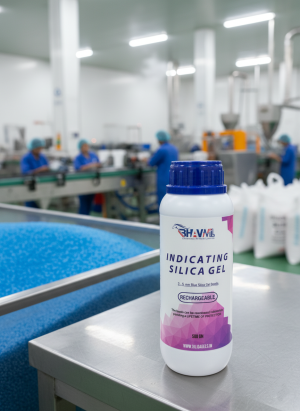
Silica gel is a type of silica gel that is used to make Silica gel, a microporous type of silicon dioxide, that has long been used to successfully regulate moisture. Though activated carbon is non-polar, silica gel contains hydroxyl groups that allow free moisture to be absorbed. Both are non-toxic, making this a good match for nutraceuticals.
Clearly, activated carbon is an outstanding option for odour and gas protection in successful packaging on its own. When paired with other active packaging components, however, it becomes a truly efficient and flexible alternative for the active packaging industry, ensuring that products meet the end-user with reduced consistency and effectiveness loss.
Ask our technical sales agent now for the perfect activated carbon solution for your active packaging needs!